PRINCE2 Foundation
Course Overview:
PRINCE2 is a tried and tested project management method that was developed in the UK and that can be used in any kind of project regardless of scope.
From a minor reorganization to a major construction project, PRINCE2 increases the chance of success.
Goal and Result:
After the training you will be able to:
Duration:
Full 2 Days (16 Hours)
Program Details:
This is an accredited PRINCE2 training course that meets all the international quality standards. The trainer is an experienced project manager with 23 years of Industry Experience. The training course is relatively moderately-paced and the method is handled pragmatically.
Based on real-life case studies and cases from their own experience, candidates will develop a large number of projects using the PRINCE2 method. This training is mainly practical; theory is only covered if necessary, but there is plenty of room for discussion.
Throughout the training period, you will play the roles of the project board, project manager and project employee. During these assignments you will have plenty of opportunity to discuss with your fellow students.
Once you have successfully completed this training course you will be awarded a highly regarded project management qualification recognized at a global level.
Learning Objectives:
After the training you will be able to:
- Have an in-depth understanding of all aspects of the PRINCE2® methodology;
- Effectively control the start, progress, and closure of a project;
- Apply the methodology to deliver projects on time, within budget, and to the specified business case;
- Integrate the PRINCE2® Principles and Themes into a project;
- Understand how to tailor PRINCE2®;
- Efficiently manage project progress.
What does the course cover?
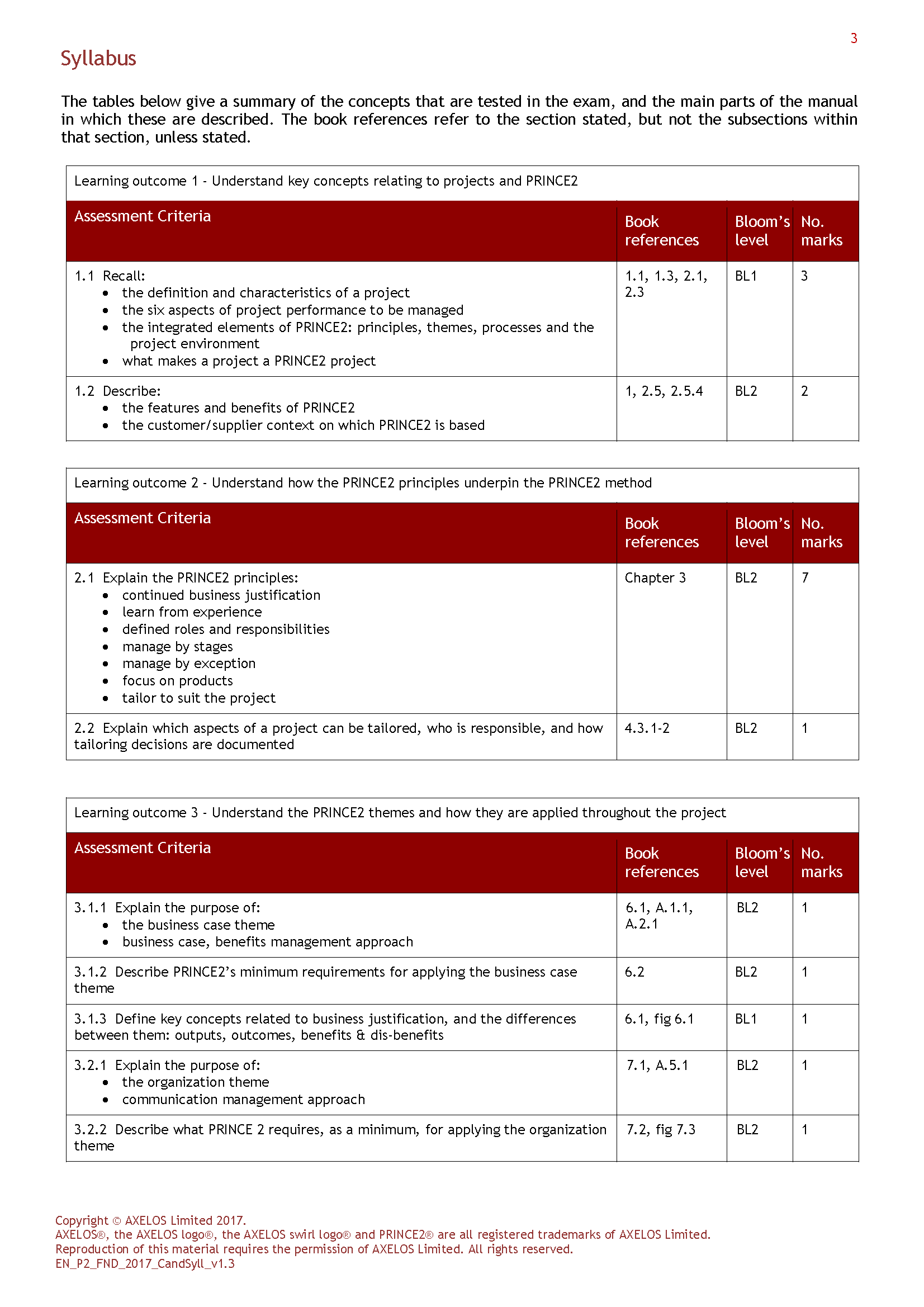
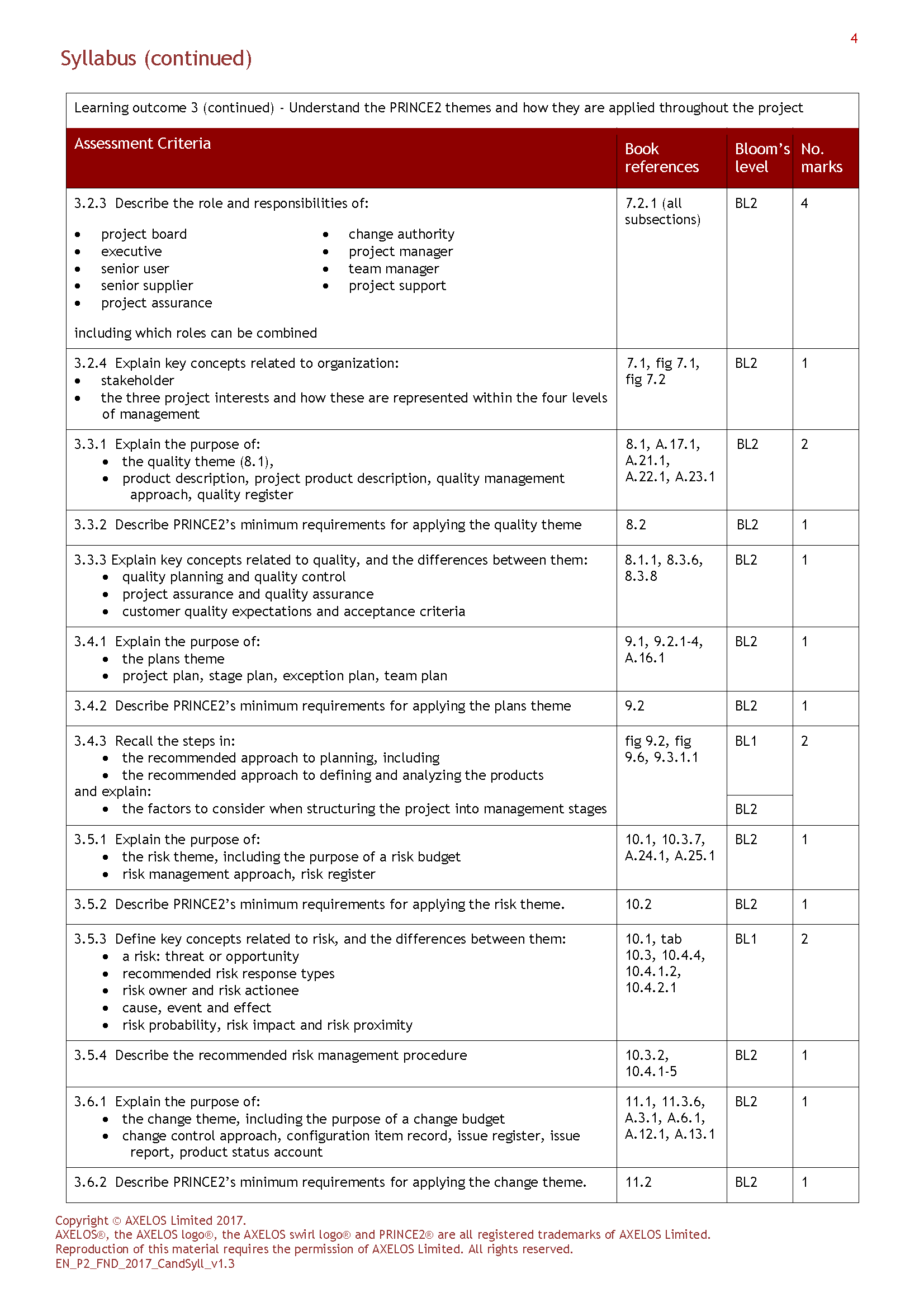
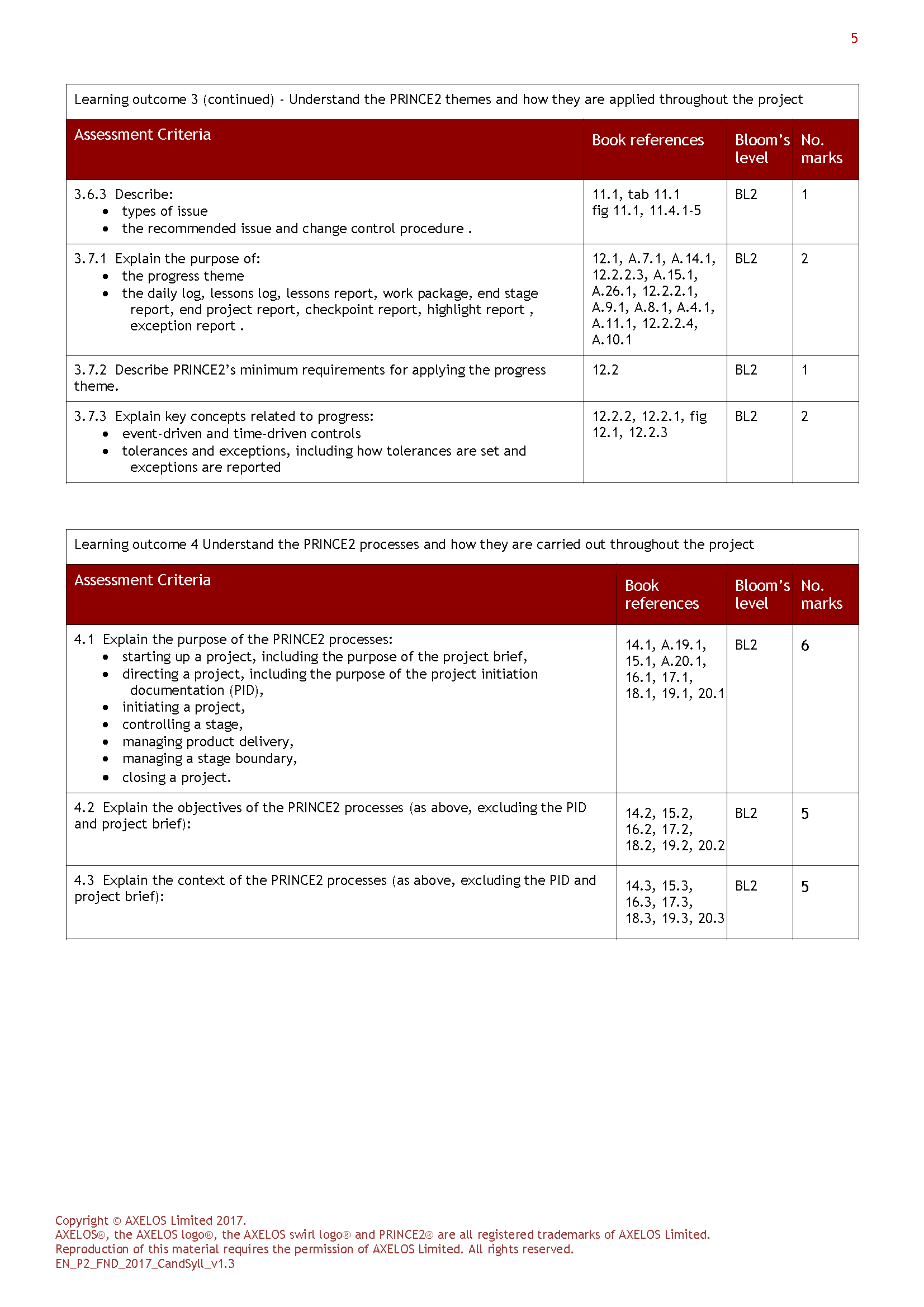
PRINCE2 is a method for managing projects. It helps you work out who should be involved and what they will be responsible for. Our accredited PRINCE2 Foundation classroom course introduces you to PRINCE2, and helps prepare you for the Foundation examination which assesses whether you can demonstrate sufficient recall and understanding of the PRINCE2 project management method. This course conforms to the PRINCE2 2017 syllabus.
Learning Outcomes:
By the end of the PRINCE2 Foundation classroom course you should be able to:
- Understand key concepts relating to projects and PRINCE2
- Understand how the PRINCE2 principles underpin the PRINCE2 method
- Understand the PRINCE2 themes and how they are applied throughout the project
- Understand the PRINCE2 processes and how they are carried out throughout the project
This course follows the 2017 syllabus and includes the following modules:
- What is a project?
- Structure of PRINCE2
- Starting up a project
- Directing a project
- Organization
- Business case
- Initiating a project
- Risk
- Change
- Quality
- Managing a stage boundary
- Controlling a stage
- Managing product delivery
- Progress
- Closing a project
This course covers the PRINCE2 syllabus, including the following topics:
Structured Approach to Managing Projects – Setting the scene for a structured approach to managing all projects; project success criteria; the model of the PRINCE2 method including the integrated elements of principles, processes, themes and tailoring.
The Process-based Approach – PRINCE2 focuses on key processes needed for successful project management which must be present, but may be ‘tailored’ to reflect the complexity, scope and risks faced by the project. PRINCE2 Process Model will be used to help delegates understand and appreciate what should be done to manage each project, why it should be done and when in the project lifecycle.
Business Case – What is a Business Case; Outcomes, Outputs, Benefits and Challenges; Developing, Verifying and Maintaining the Business Case; confirming the benefits and the Benefits Review Plan?
Organization – Project Management Team Structure and the Project Board, Project Assurance, Project Manager, Team Manager, Change Authority and Project Support roles & responsibilities. Stakeholder management; communication Management Strategy.
Plans – Levels and content of Plans; Exception Plans; Product-based approach to planning – Project Product Description, Product Breakdown Structure, Product Description, Product Flow Diagram; the PRINCE2 planning steps.
Progress – Management and Technical Stages. Tolerance and Raising Exceptions. Project Board and Project Manager Controls for Reviewing and Reporting Progress; Baselines for Control; Capturing and Reporting Lessons; Event-driven and time-driven controls.
Change – Issue and Change Control procedure; Configuration Management procedure; Configuration Management Strategy; Baseline, Handling changes; Tracking and protecting products; Change Authority; Change Budget.
Quality – Quality Defined, The Quality Audit Trial; Acceptance Criteria, Quality Criteria, Quality Management Strategy, Quality Assurance, Quality Controls and Quality Review technique.
Risk – Risk and Risk Management; Risk Management in Projects; Risk Management Strategy; Risk Management Procedure; Risk Budget.
Practical Work – A specially written scenario runs throughout the course from start to finish. A comprehensive set of tasks help provide a practical application of the method. Many tasks are designed to help delegates link the four integrated elements of PRINCE2® – Principles, Processes, Themes and Tailoring. There are also sample exam questions for delegates to practice on before sitting the certification exam.
This course covers the PRINCE2 syllabus, including the following topics:
Structured Approach to Managing Projects – Setting the scene for a structured approach to managing all projects; project success criteria; the model of the PRINCE2 method including the integrated elements of principles, processes, themes and tailoring.
The Process-based Approach – PRINCE2 focuses on key processes needed for successful project management which must be present, but may be ‘tailored’ to reflect the complexity, scope and risks faced by the project. PRINCE2 Process Model will be used to help delegates understand and appreciate what should be done to manage each project, why it should be done and when in the project lifecycle.
Business Case – What is a Business Case; Outcomes, Outputs, Benefits and Challenges; Developing, Verifying and Maintaining the Business Case; confirming the benefits and the Benefits Review Plan?
Organization – Project Management Team Structure and the Project Board, Project Assurance, Project Manager, Team Manager, Change Authority and Project Support roles & responsibilities. Stakeholder management; communication Management Strategy.
Plans – Levels and content of Plans; Exception Plans; Product-based approach to planning – Project Product Description, Product Breakdown Structure, Product Description, Product Flow Diagram; the PRINCE2 planning steps.
Progress – Management and Technical Stages. Tolerance and Raising Exceptions. Project Board and Project Manager Controls for Reviewing and Reporting Progress; Baselines for Control; Capturing and Reporting Lessons; Event-driven and time-driven controls.
Change – Issue and Change Control procedure; Configuration Management procedure; Configuration Management Strategy; Baseline, Handling changes; Tracking and protecting products; Change Authority; Change Budget.
Quality – Quality Defined, The Quality Audit Trial; Acceptance Criteria, Quality Criteria, Quality Management Strategy, Quality Assurance, Quality Controls and Quality Review technique.
Risk – Risk and Risk Management; Risk Management in Projects; Risk Management Strategy; Risk Management Procedure; Risk Budget.
Practical Work – A specially written scenario runs throughout the course from start to finish. A comprehensive set of tasks help provide a practical application of the method. Many tasks are designed to help delegates link the four integrated elements of PRINCE2® – Principles, Processes, Themes and Tailoring. There are also sample exam questions for delegates to practice on before sitting the certification exam.